
Make Sure That Your Snow/Ice Removal is on “par”

This bulletin describes best practices that organizations should adopt to ensure they manage their risks in relation to snow and ice removal. From establishing a Maintenance Committee, to tips to…
Read MoreAverting Some Common Winter-Related Losses

Canadian winter conditions give rise to some unique hazards. Weather fluctuations put a great deal of strain on a building’s infrastructure and make it difficult to keep up with maintenance…
Read MoreMaintain Your Roof. Manage Your Risk.

Simply put, your building’s roof system is not static and, if ignored, will certainly deteriorate over time. Since wear and tear (normal aging) is not covered by your insurance policy,…
Read MorePreventing Backflows and Sewer Backups
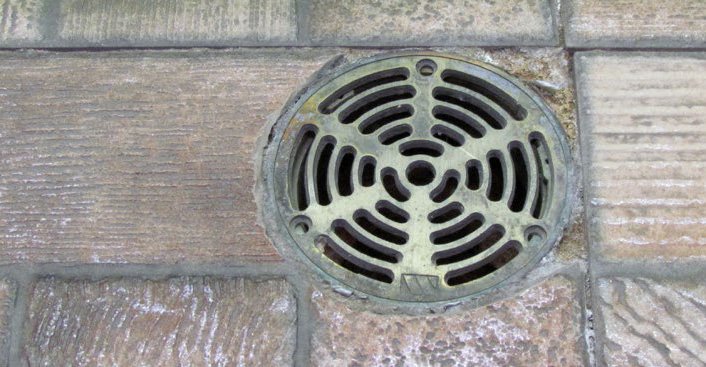
Losses resulting from water damage and ingress are a growing problem affecting many individuals, organizations and businesses alike. Climate change, outdated infrastructure, spring melting, water runoff, torrential rains, snow, tree…
Read MorePlayground Safety

How to Keep Your Students Safe The health and well-being of children depends on the safety and quality of their physical and natural, built, and social environments — at home,…
Read MoreAbove Ground Oil Tanks

In many regions across Canada — particularly in Québec and the Atlantic provinces — above ground oil tanks are still being used to heat institutional and commercial properties, in addition…
Read MoreLadders in the Workplace

A versatile tool but also a major source of injuries. Ladders and stepladders are found in almost every workplace and used by virtually everyone. From maintenance staff changing light bulbs…
Read MoreHazardous Sports: Exciting and Risky

While hazardous or “extreme” sports may be very appealing, they do present greater risks for injuries. A severe injury sustained by participation in a hazardous sport can forever change a…
Read MoreFoodborne Illnesses in Educational Institutions

Every year, approximately four million Canadians suffer from a foodborne illness. Of the 11,600 people who are hospitalized every year, 250 die.¹ Commonly called food poisoning, foodborne illness is the…
Read MoreFood Allergies and the School Environment

According to Health Canada, as many as 1,200,000 Canadians may be affected by life-threatening allergies and as many as 6 % of young children have food allergies. Unfortunately, these numbers…
Read More