
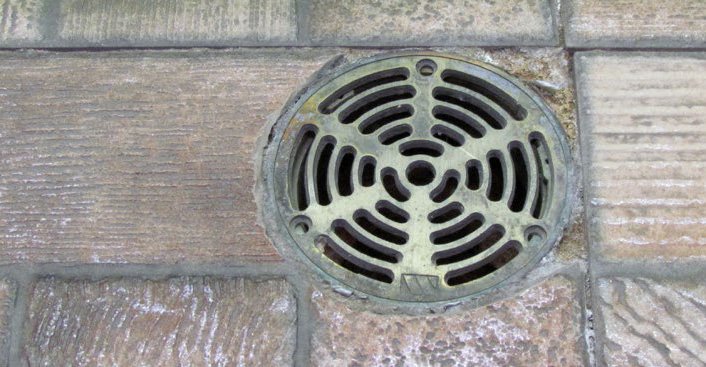
Losses resulting from water damage and ingress are a growing problem affecting many individuals, organizations and businesses alike. Climate change, outdated infrastructure, spring melting, water runoff, torrential rains, snow, tree…

Replacing a place of worship damaged or destroyed by fire is a very difficult task for the management team and congregation to face; on both a practical and emotional level.…

How to Keep Your Students Safe The health and well-being of children depends on the safety and quality of their physical and natural, built, and social environments — at home,…
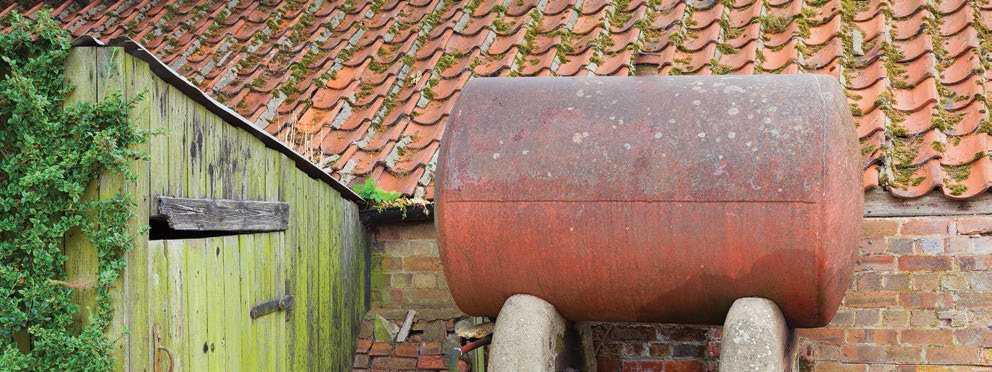
In many regions across Canada — particularly in Québec and the Atlantic provinces — above ground oil tanks are still being used to heat institutional and commercial properties, in addition…
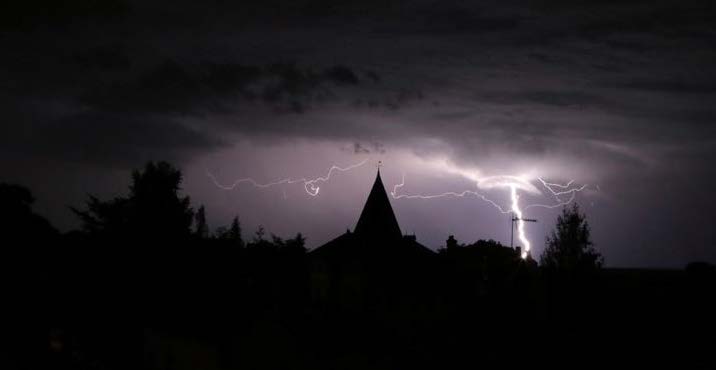
Faith communities across Canada are increasingly concerned about the potentially catastrophic risks that lightning can pose to buildings with tall spires, steeples or other structures. Faith buildings have innate features…
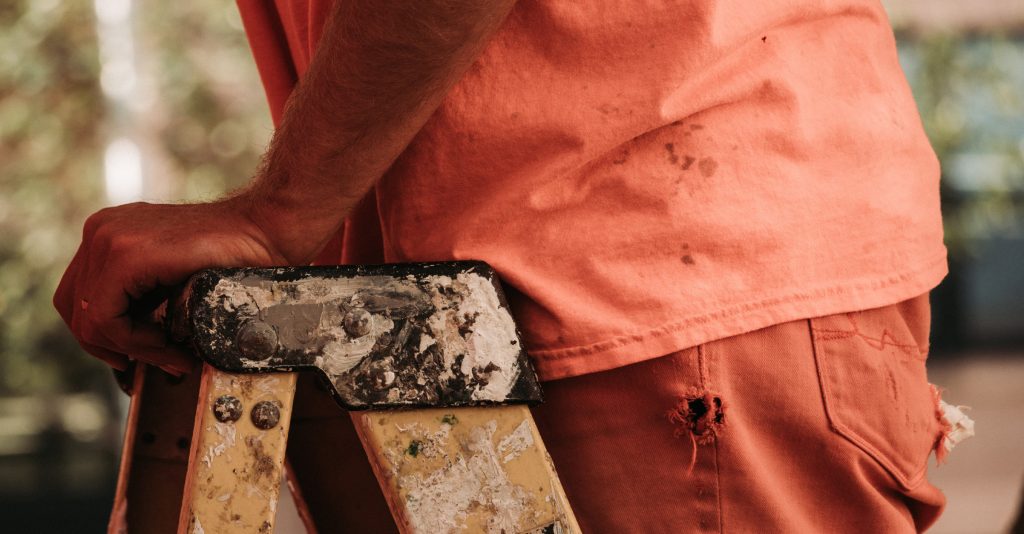
A versatile tool but also a major source of injuries. Ladders and stepladders are found in almost every workplace and used by virtually everyone. From maintenance staff changing light bulbs…

Protect the past. Safeguard the future. Heritage properties pay tribute to our nation’s history and our diverse cultures. These historic structures reflect the periods in which they were built —…

While hazardous or “extreme” sports may be very appealing, they do present greater risks for injuries. A severe injury sustained by participation in a hazardous sport can forever change a…

Health Canada estimates that eleven to thirteen million Canadians suffer a food-borne illness every year. Five thousand Canadians are hospitalized and up to 900 Canadians die each year as a…

Every year, approximately four million Canadians suffer from a foodborne illness. Of the 11,600 people who are hospitalized every year, 250 die.¹ Commonly called food poisoning, foodborne illness is the…